
Fleas and Ticks
Flea, ticks and parasites are no fun for an owner, and quite unpleasant for the dog. Knowing the basic signs and symptoms can help you catch any potential issues and prevent medical problems.
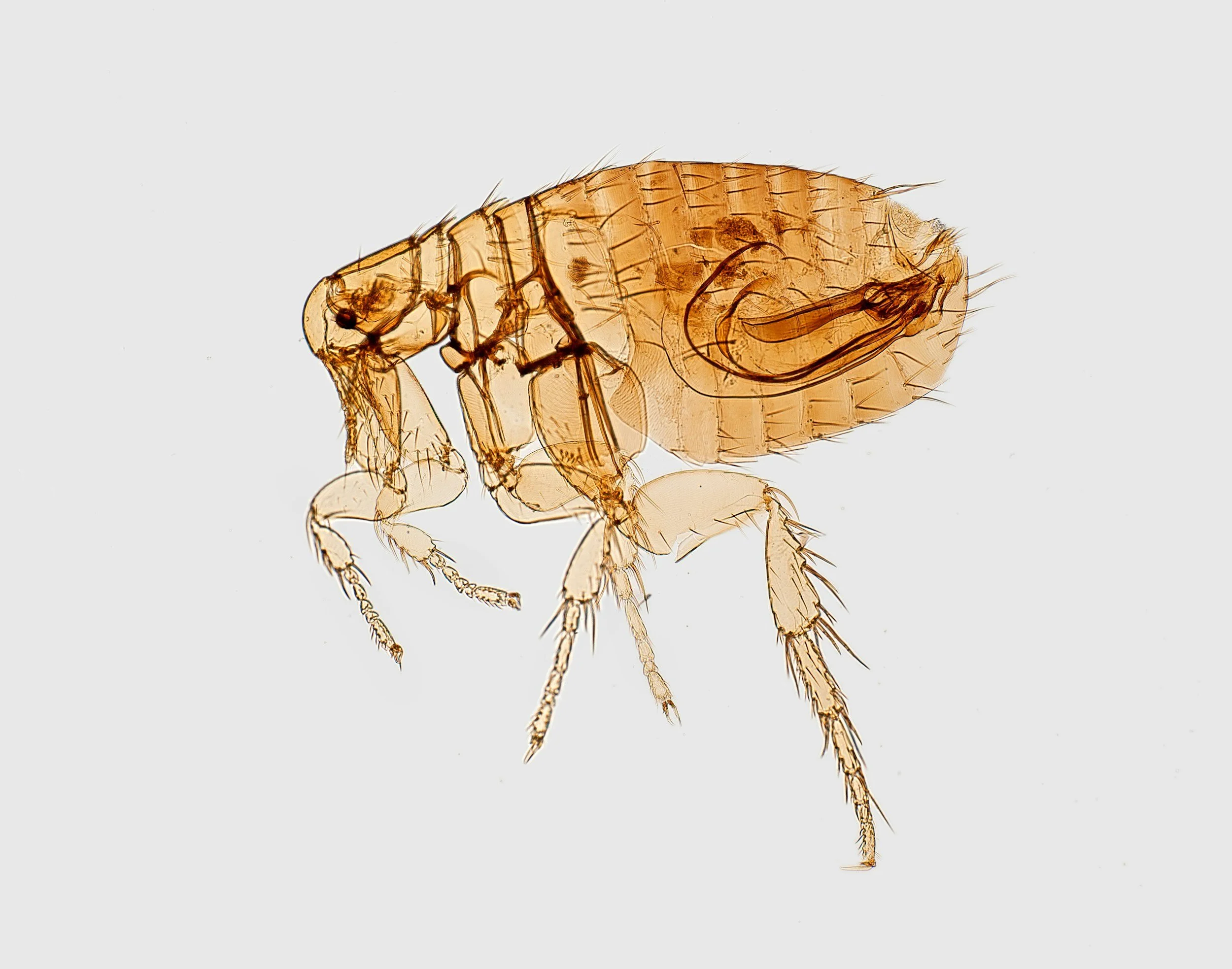
Fleas
FLEA FACTS
Once fleas are hatched they can produce more eggs in the span of 16 days.
One adult female flea can live up to a year and produce up to 40-50 eggs every day, so infestations can be exponential if ignored.
Eggs are resistant and not affected by insecticides.
After a blood meal, fleas prefer to hop off their host and hide in warm dark places like in carpets and furniture.
HOW TO IDENTIFY
Fleas can be seen with the human eye, so check your dogs fur for movement and the telltale flea. If you do not see fleas, this does not mean your dog is flea-free. However, fleas leave behind black specs known as "flea dirt". Check your dog's fur at the skin for this evidence of fleas.
PREVENTION & TREATMENT
Flea prevention is the best way to ensure you do not get an infestation. There are monthly topical preventives, oral monthly preventives, dips and rinses, flea and tick shampoos, and flea collars and powders.
Consult with your vet if have questions about which preventive is best for you.
Treatment includes an oral medication, shampoos, and sprays.
Make sure to thoroughly clean the environment like vacuuming floors and washing bedding.
Foggers can help to a limited degree.
Treat the house, yard, and all of your pets in the same day.
Consult with your veterinarian about using any unknown chemicals in your house, yard, or pets.
Ticks
TICK FACTS
Ticks attach themselves to their hosts skin and feed on their blood.
Ticks can carry diseases like Lyme disease and Rocky Mountain Spotted Fever. Most disease have a 24 hour window where they can be removed before transmitting disease to their host.
Ticks can and will transfer to humans.
HOW TO IDENTIFY
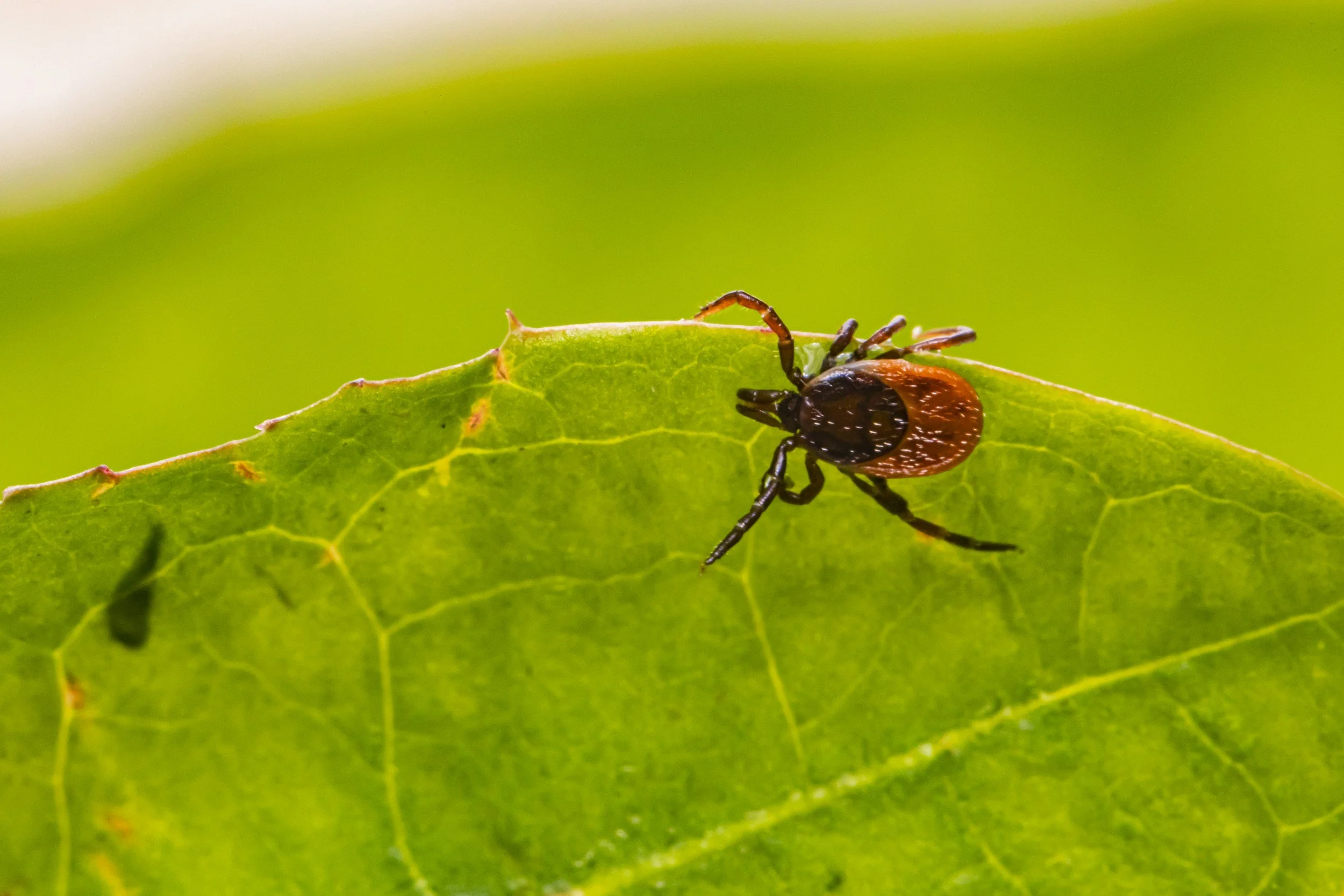
Ticks can be seen with the human eye, and will likely be securely attached to the skin.
PREVENTION & TREATMENT
It is very difficult to prevent your dog from being exposed to ticks.
The best prevention is a flea/tick preventive monthly oral medication.
Consult with your veterinarian about which preventive is best suited for your dog.
Treatment for a tick is to remove the tick. With tweezers, take care to grasp the tick as close to the skin as possible and pull firmly, removing the head from under the skin.
If you have a tick problem in your yard, consider treating your yard with a pet-safe yard treatment.
