
Nail Trimming
Clipping your dog's nails can be a daunting, stressful task, but it is a basic necessity that can cause health issues if neglected.
If you are uncomfortable with cutting dog nails, you can take your dog for regular visits to a nearby groomer or your veterinarian. However, knowing the basics can help you more confidently trim your dog's nails in your own home for free.
Supplies
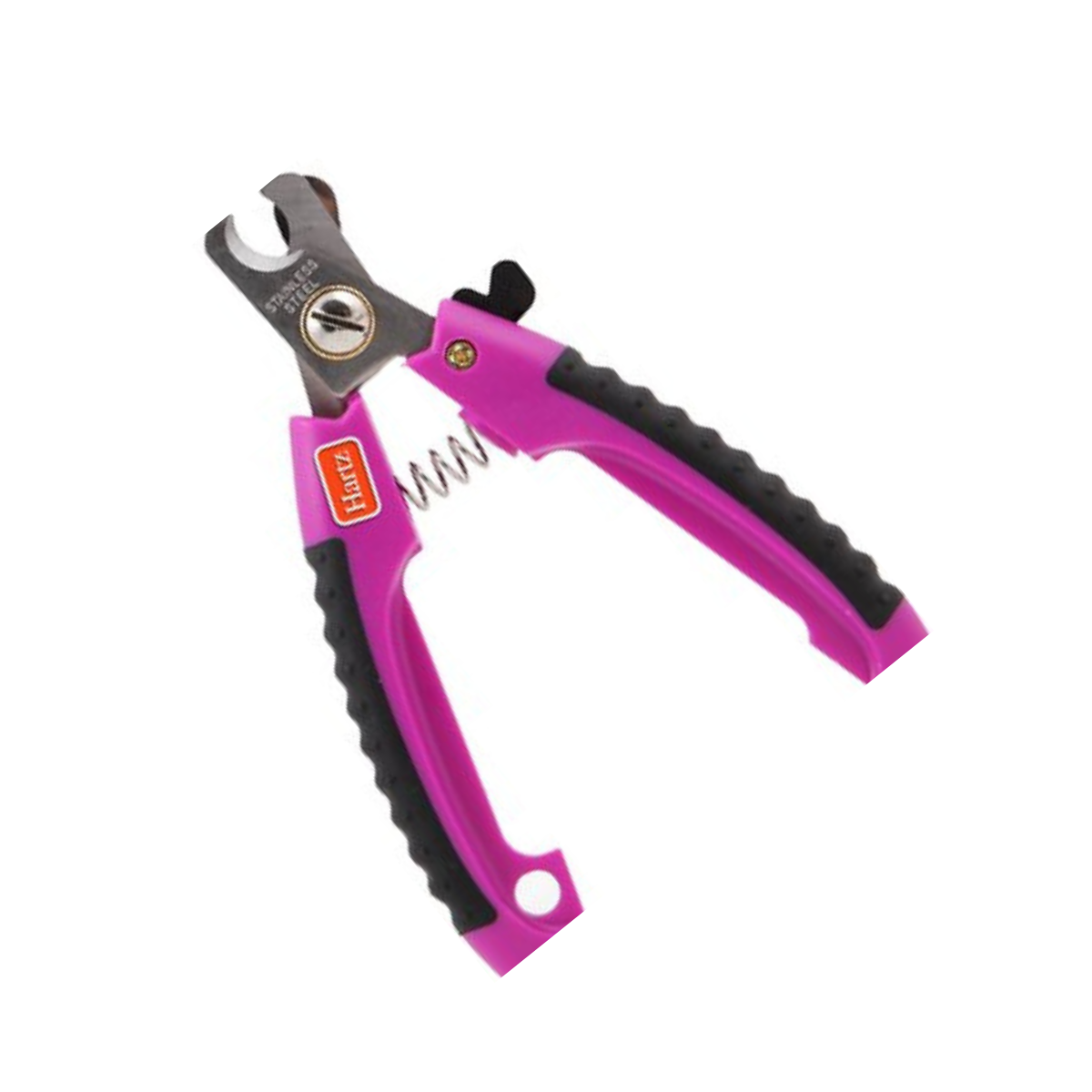
Scissor Clippers
The most common type of nail clipper, comes in several sizes.
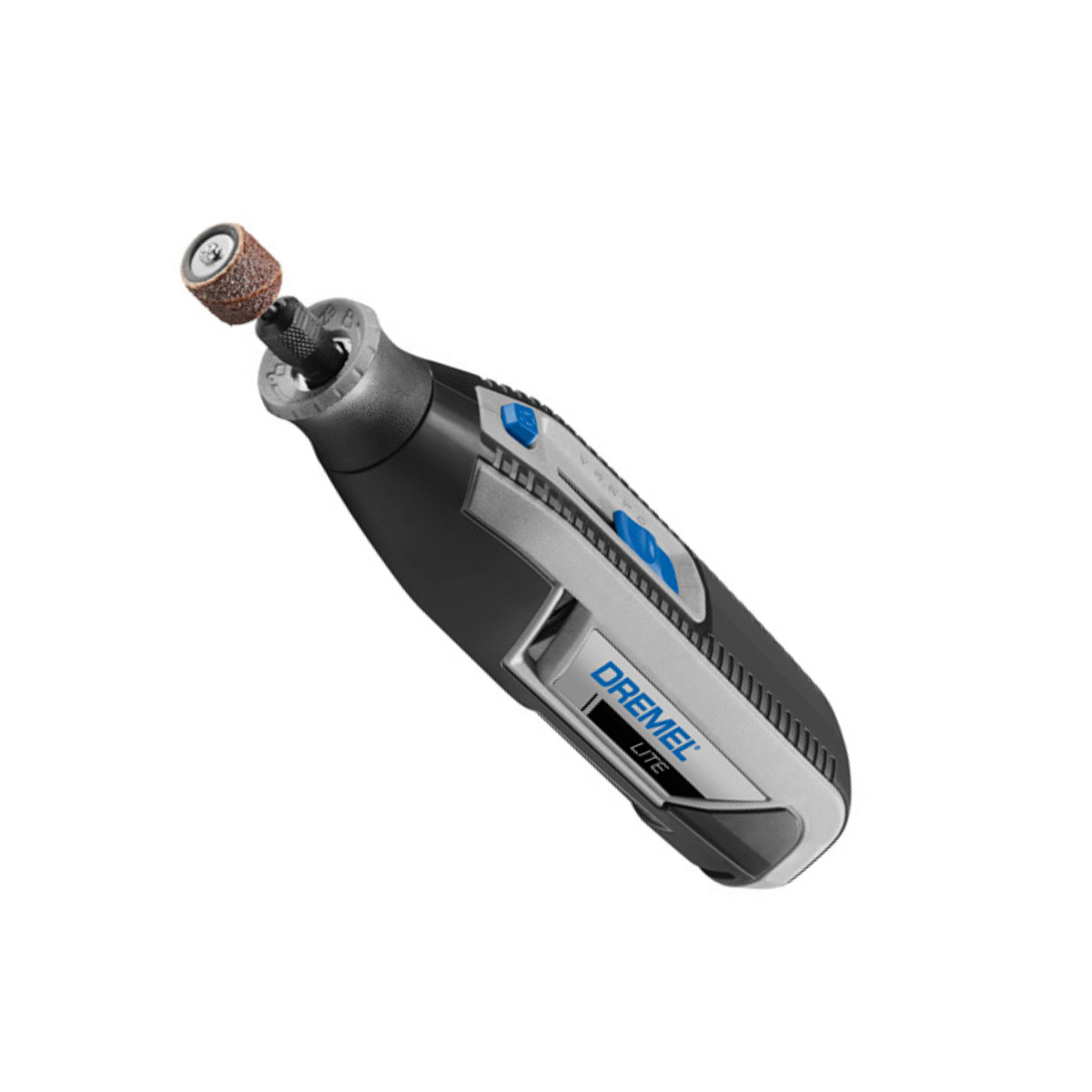
Dremels
Basically a spinning nail file, comes in many styles.
Choosing the right tool
Pick a clipper that will best fit the size of your dogs nails.
Scissor clippers vs. dremels - scissor clippers are much quicker, but with more risk to cutting the quick of a nail. Dremels are much softer and don't leave rough edges. However, they take longer, and the noise and vibration can be scary to some dogs.
Safety
Styptic Powder
If you happen to cut the quick of a toenail, dipping the nail in styptic powder will stop any bleeding. Flour can also be used as it is a natural coagulant.
Muzzles
If your dog is aggressive when having their nails trimmed or otherwise, a properly fitted and introduced muzzle may be necessary to remove any risk.
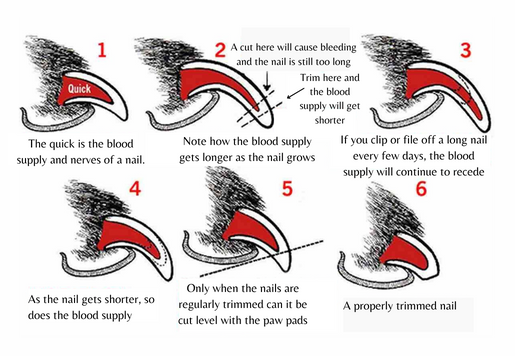
Anatomy
Learn about the nail's anatomy and importance of regular trims.
Basic Tips
Proper introductions to a tool can go a long way.
Cut at a roughly 45 degree angle
You can always trim more, you cant put it back. Take small clips if you are unsure of where the quick is.
Hold the paw and nail steady.
Hold the paw out of sight of the dog.
Dogs usually are more comfortable starting with the back paws.
For nervous dogs and puppies, don't try to trim all four paws at once. Keep it short and give plenty of praise/treats.
Use a second person to distract/handle the dog while the first person clips.
TAKE NOTE
If you have any questions or concerns about the proper tools or how to cut your dog's nails yourself, please contact your veterinarian or groomer.
Step By Step
Introducing your puppy to a nail trim
Introducing your puppy to nail trimming can make future nail maintenance much less stressful for you and your puppy.
-
Most sources say you can and should start clipping your puppies nails between 6-8 weeks old. Even if there isn't much to clip, you should get your puppy used to a routine.
Pick the tool best suited for your puppy. Depending on their age and breed, puppies will likely need very small clippers. You can use cat nail clippers as they work the same way.
Make sure your puppy has been fed, out to potty, and is not tired.
Introduce the nail clippers to your puppy before you clip their nails. Let them smell them, give praise and treats, until your puppy is comfortable with the clippers.
Practice handling exercises with your puppy.
Holding exercises-sitting on the floor or couch, place your puppy between your legs, facing away from you. Hold your puppy still for a few moments, and don't let them wriggle away, or play bite, just be patient until your puppy relaxes. Practice this until your puppy is comfortable sitting with you and increase amounts of time up to a few minutes.
Paw handling exercises. In the holding position, (or otherwise if your puppy can sit still), lift one paw at a time and use a finger to touch their paw pads, between the toes, and their nails. Use treats and praise along the way to make it rewarding.
-
Have another person help hold your puppy. While holding their paw steady, get a good visual on the nail, and clip very small amounts. Give praise and treats after clipping each nail.
Only do one paw at a time for puppies, their short attention spans can make a long nail clipping session into a negative experience.
If you plan to use a dremel tool, use all the same steps listed above, and make sure your puppy is comfortable before proceeding to the next step.
-
Praise, say "ok!" or "were done!" and play with a toy to end the interaction on a happy note.
